EN 1090 Execution Classes EXC1 to EXC4 Explained for Buyers
What EN 1090-1 and EN 1090-2 require, how the execution class is chosen, and what changes between EXC2 and EXC3 for welding, inspection and documentation. Written for buyers and engineers ordering welded steel parts.
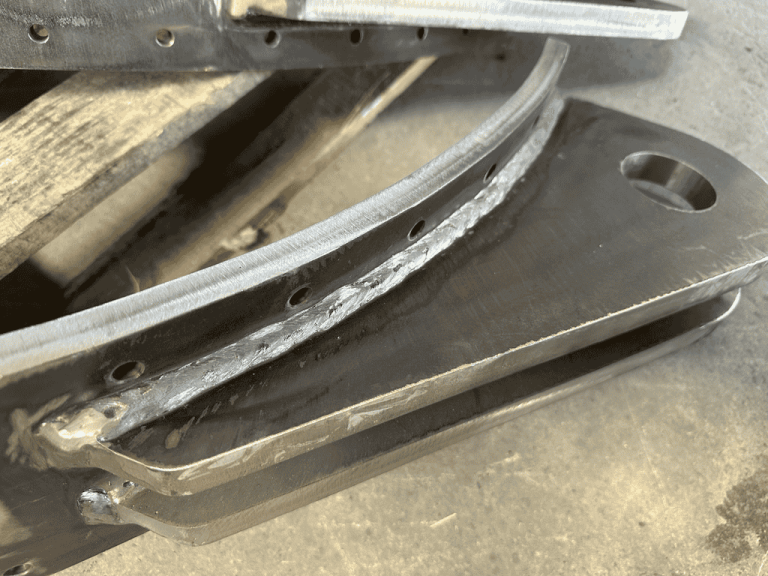
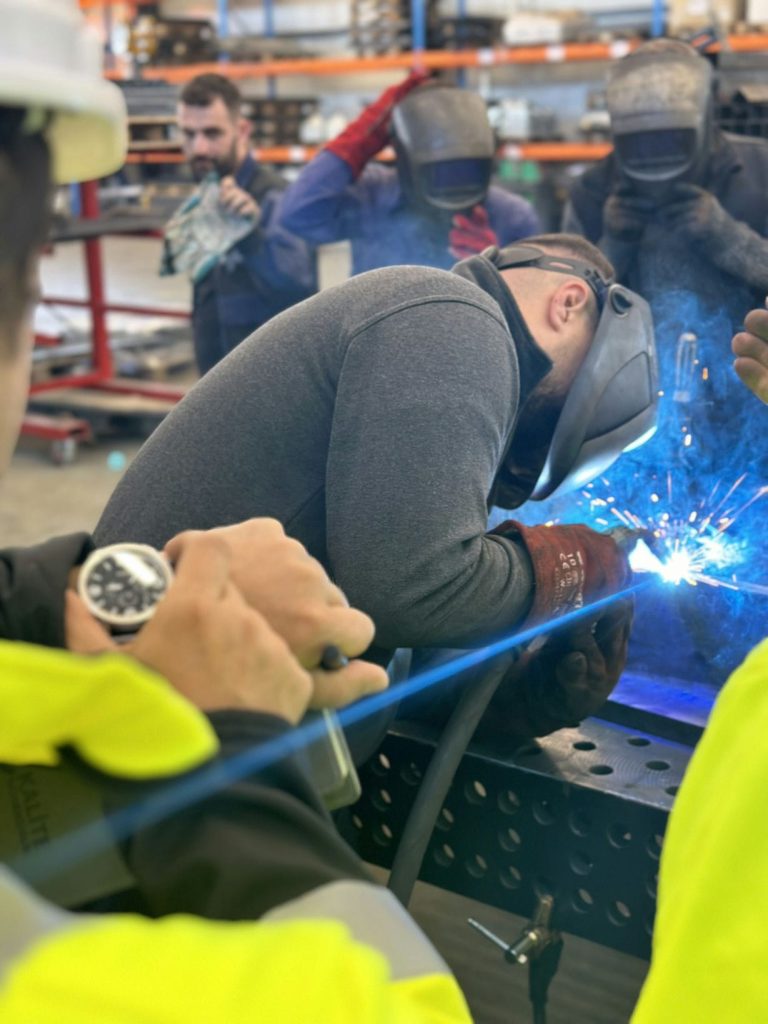
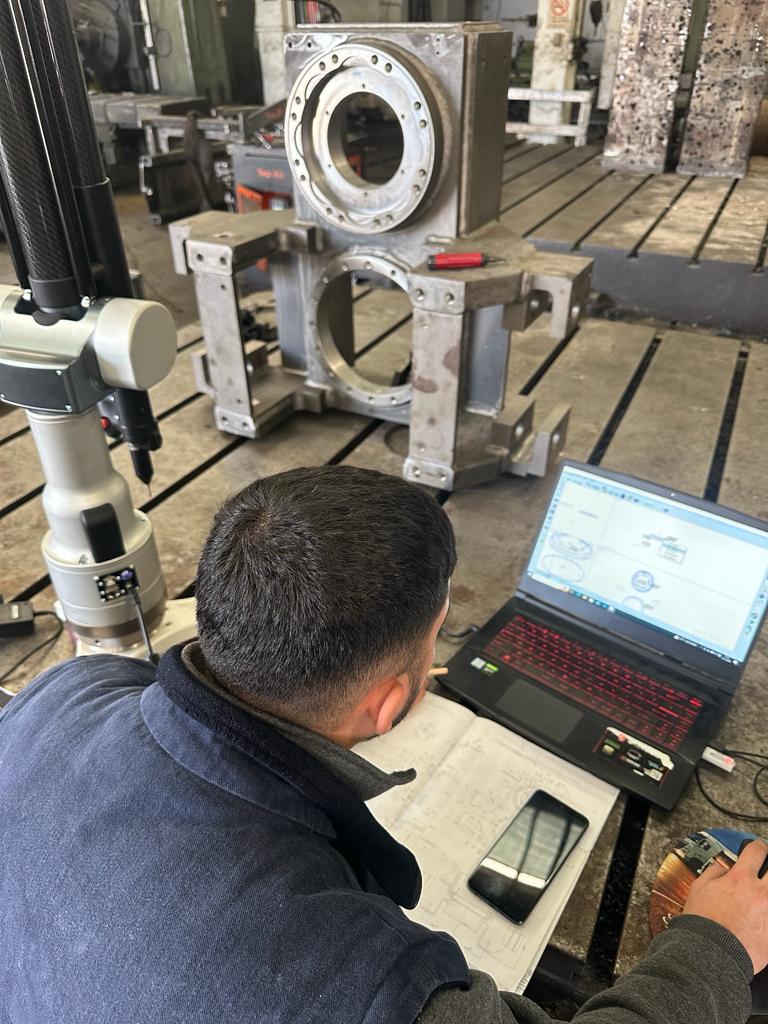
- EN 1090-1CE marking, FPC
- EN 1090-2Steel execution
- EXC1–EXC4Execution classes
- ISO 3834Welding quality
- ISO 5817Weld quality levels
What EN 1090 Covers
EN 1090 is the European standard for the execution of steel and aluminium structures. It has two parts that buyers meet most often:
- EN 1090-1 sets the requirements for factory production control (FPC) and CE marking of structural components. A manufacturer certified to EN 1090-1 can issue a declaration of performance and CE-mark the parts.
- EN 1090-2 sets the technical requirements for steel structures: materials, cutting, welding, tolerances, inspection and documentation. These requirements become stricter with each execution class.
The certificate a fabricator holds states the highest execution class it may produce. A fabricator certified to EXC3 may also produce EXC1 and EXC2 work.
Execution Classes Compared
Simplified overview. The drawing and EN 1090-2 always govern the detail.
| EXC1 | EXC2 | EXC3 | EXC4 | |
|---|---|---|---|---|
| Typical use | Simple, low-consequence structures | Most buildings, machine frames, platforms | Fatigue-loaded or high-consequence structures, bridges, stadiums | Special structures with extreme consequences |
| Welding quality system | ISO 3834-4 | ISO 3834-3 | ISO 3834-2 | ISO 3834-2 |
| Welding coordinator | Basic knowledge | Specific technical knowledge | Comprehensive technical knowledge | Comprehensive technical knowledge |
| Weld quality level (ISO 5817) | D | C | B | B+ |
| Supplementary NDT | Not required by default | Defined percentage | Higher percentage | Highest, often 100% |
| Traceability | Limited | Partial | Full | Full |
How the Execution Class Is Chosen
The execution class is chosen by the designer, not by the fabricator. It follows from the consequence class of the structure (what happens if it fails), the service category (static or fatigue loading) and the production category (material and process). EN 1993 and EN 1090-2 give the method.
For buyers, the practical rule is simple: the execution class must be on the drawing or in the purchase order. If it is missing, the fabricator has to ask, because it decides the welding procedures, inspection extent and documents.
Put this on your RFQ
- Execution classEXC2 or EXC3
- Weld quality levelISO 5817 B or C
- NDT methodsVT, PT, MT, UT
- NDT extent% per weld type
- CertificatesEN 10204 3.1 or 3.2
- CE markingRequired or not
What Changes from EXC2 to EXC3
Coordination and Procedures
EXC3 requires a welding coordinator with comprehensive knowledge and ISO 3834-2, plus fully qualified procedures for every joint type.
More NDT, Tighter Acceptance
Weld quality moves from level C to level B, and the extent of supplementary NDT increases.
Full Traceability
Material must be traceable to the finished component, with complete inspection and welding records.
Questions About EN 1090
Is EN 1090 the same as CE marking?
EN 1090-1 is the basis for CE marking structural components. EN 1090-2 is the technical standard for how steel structures are made.
Do machine parts need EN 1090?
Not always. Machine frames are often covered by the Machinery Regulation instead, but many buyers specify EN 1090 EXC2 or EXC3 as a recognised quality level.
What does an EXC3 certificate prove?
That the fabricator's production control, welding coordination and procedures were audited and found suitable for EXC3 work by a notified body.
Is EXC3 more expensive than EXC2?
Usually slightly, because of more NDT, stricter acceptance and more documentation. Specify EXC3 only where the design needs it.
Which classes can Nika Steelworks produce?
EXC1, EXC2 and EXC3. We are certified to EN 1090-1 and EN 1090-2 up to EXC3, ISO 3834-2 and ISO 9001.
Need EXC2 or EXC3 parts?
Send the drawing with the execution class and NDT requirements. We reply with feasibility, lead time and price.