Press Brake Bending and Plate Rolling from Ø300 to Ø8,000 mm
CNC press brake bending, plate rolling, cone rolling and profile and pipe bending, made to your drawing. Formed parts ship on their own or continue into welding, machining and coating on the same order.
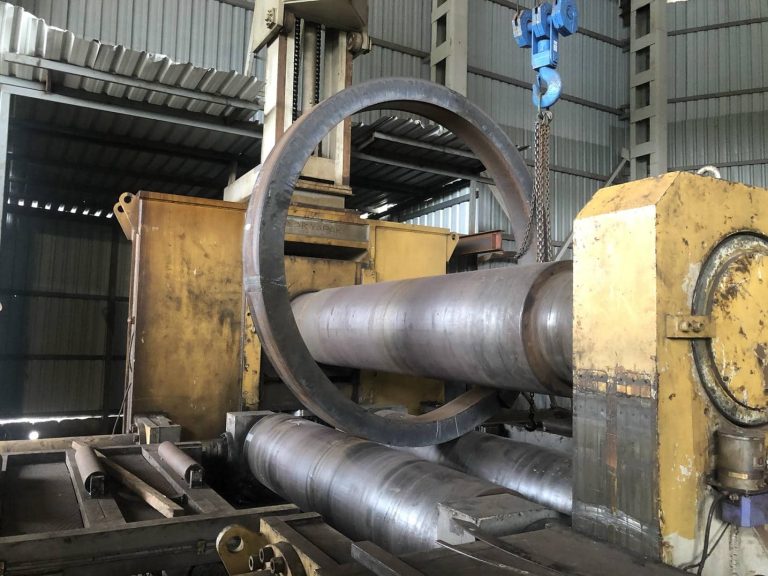
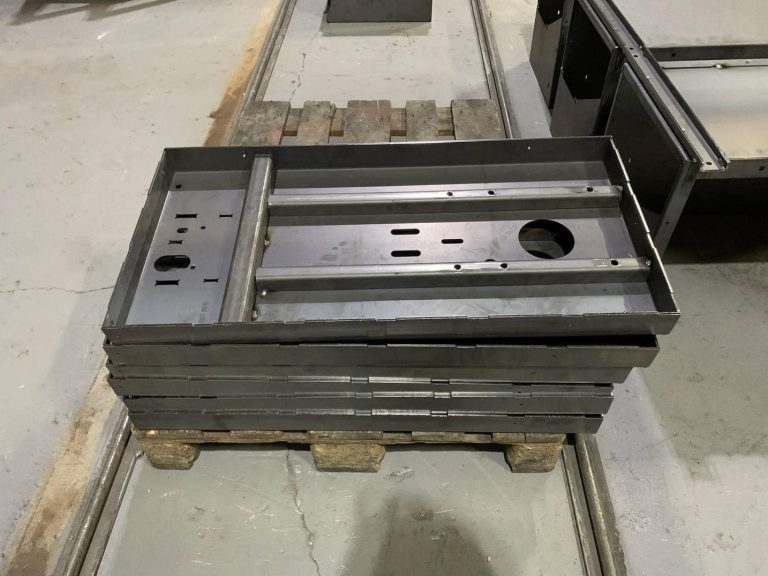
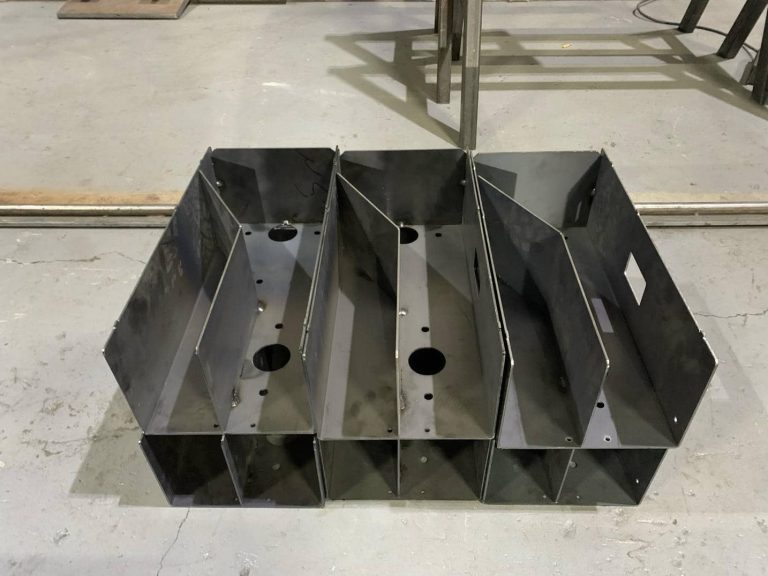
- Ø300–8,000 mmPlate rolling
- 4–120 mmRolling thickness
- 3,150 mmRolling length
- Safan DarleyCNC press brake
- 4 roll machines3-roll plate bending
Bent, Rolled and Formed Steel Parts
Forming sits between cutting and welding on most parts. A laser-cut blank is only useful if the bend angle, flange length or rolled radius matches the assembly. We set bend allowance, tooling and springback compensation from the material, thickness and radius on your drawing, and check the result before the part moves on.
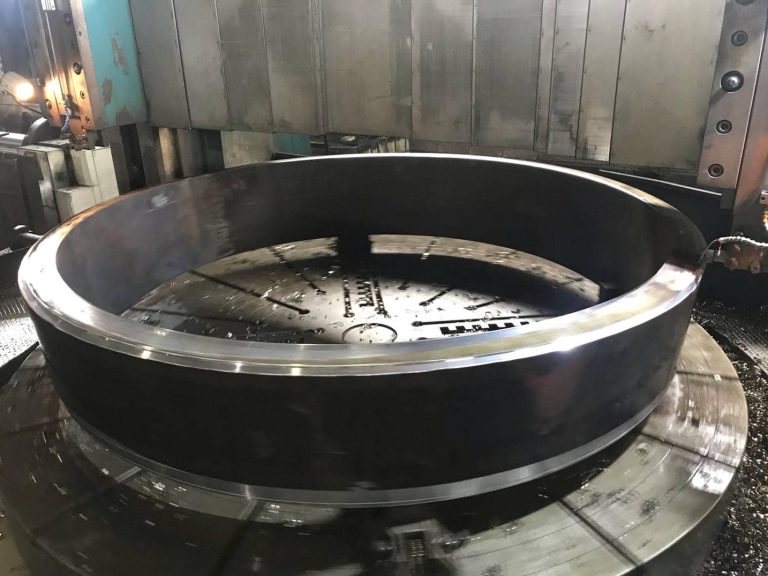
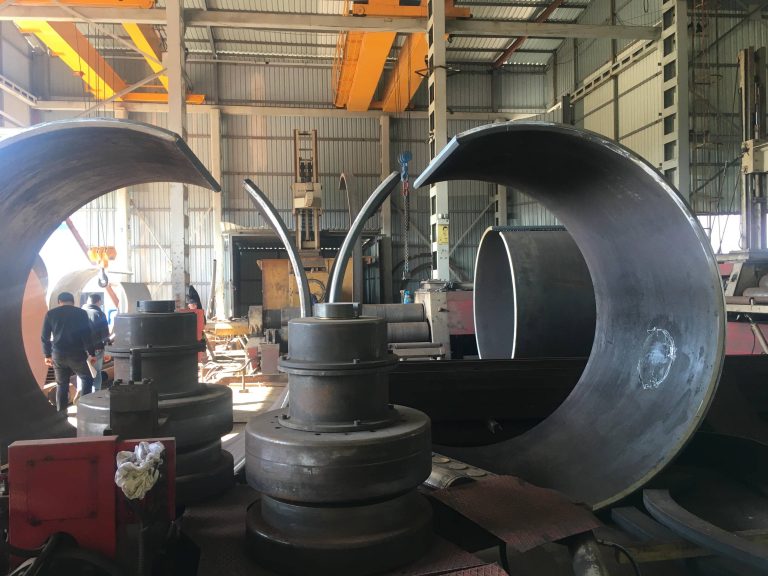
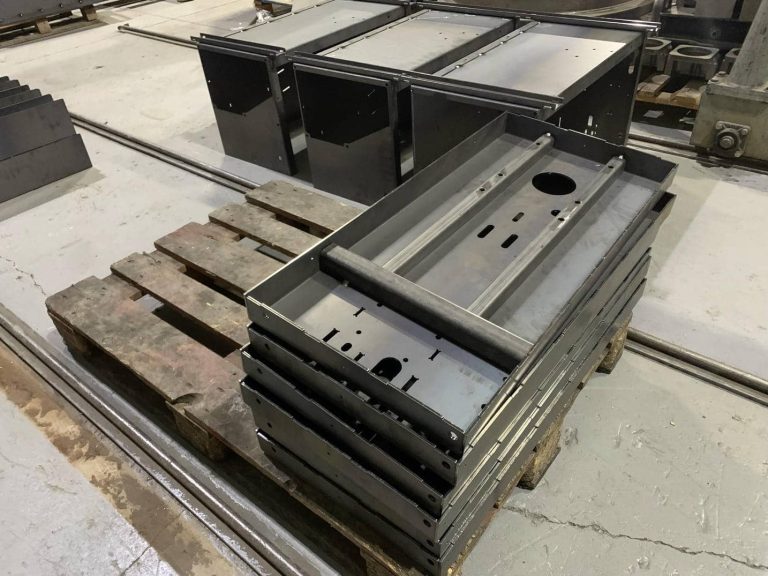
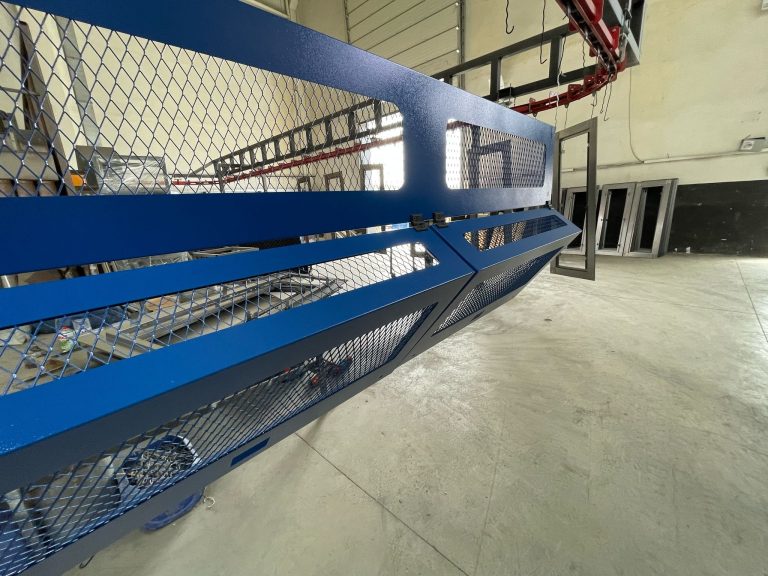
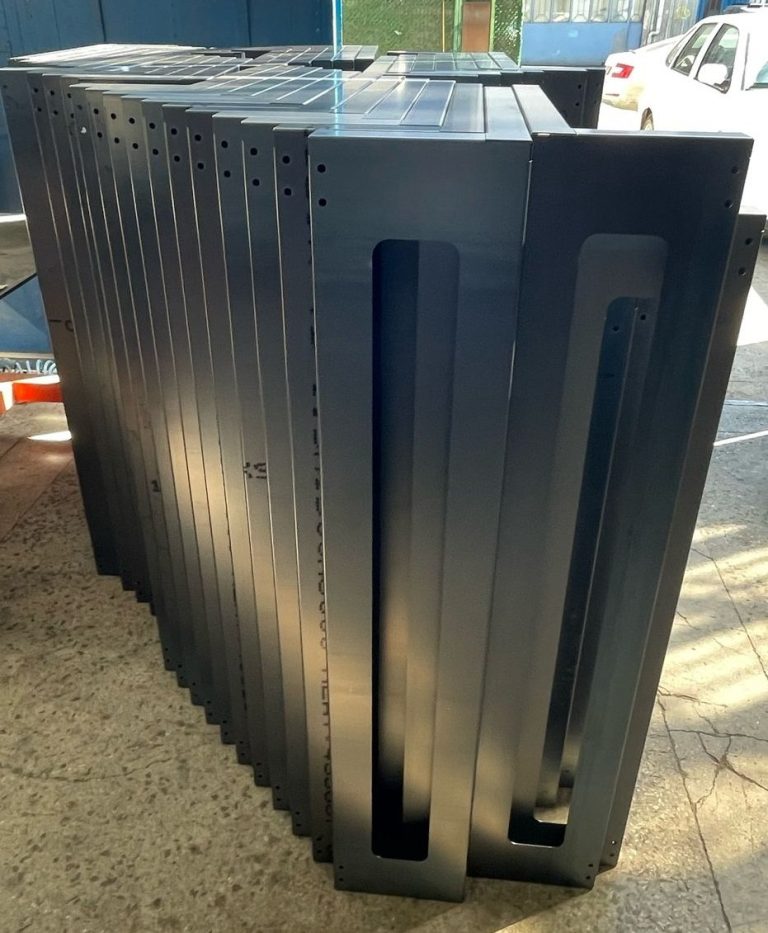
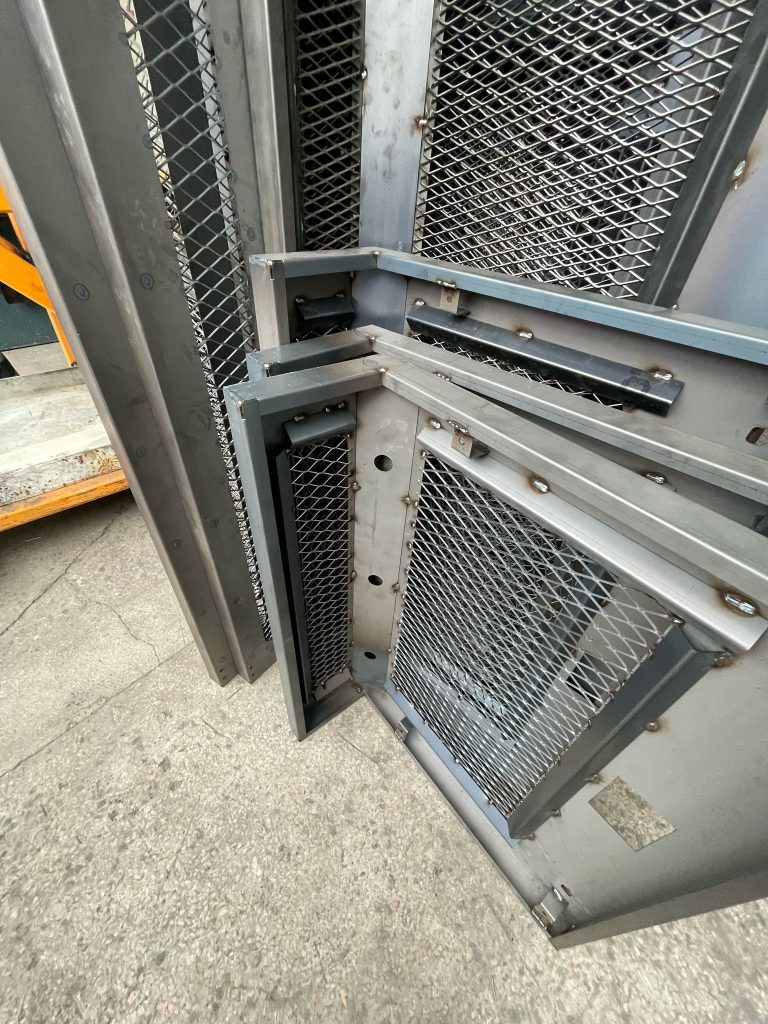
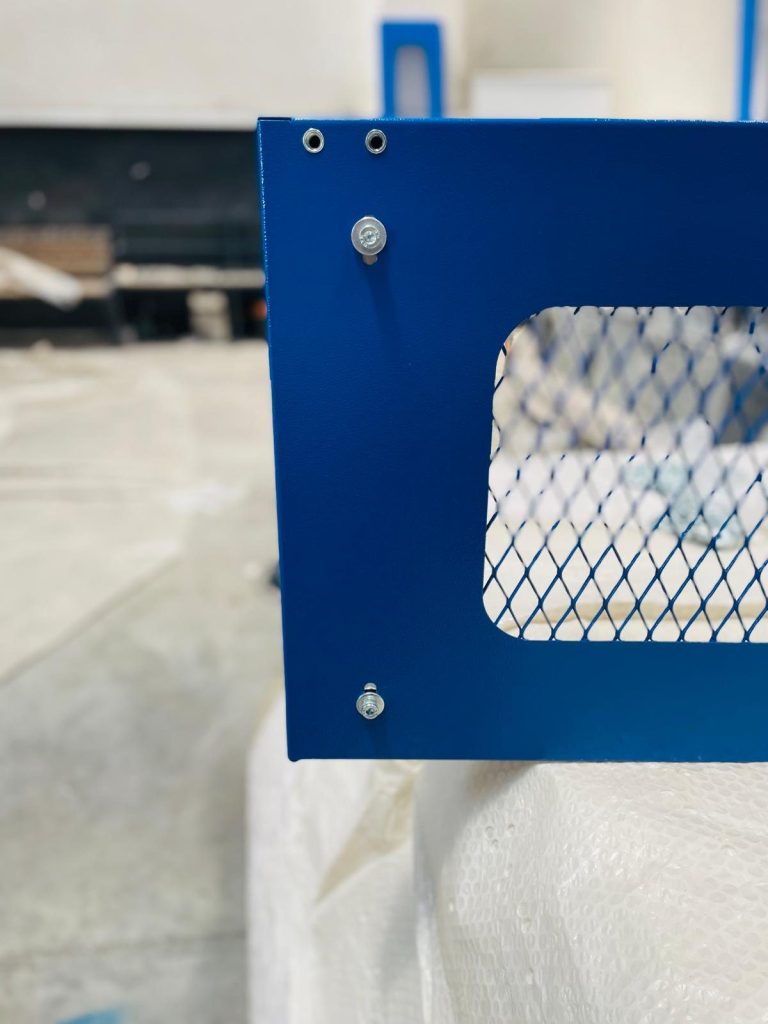
Brackets, channels, boxes and covers are formed on a servo-electric Safan Darley CNC press brake. Cylinders, shells, cones and rings are rolled on four 3-roll plate bending machines, each covering its own range of diameter, thickness and length. Pipes, tubes and structural profiles are bent to centre-line radius and angle.
Forming at a glance
- Press brakeSafan Darley CNC, servo-electric
- Plate rollingØ300–8,000 mm
- Thickness4–120 mm, lower for high-strength steel
- Rolling lengthup to 3,150 mm
- Cone rollingYes
- MaterialsS235–S1100, stainless, Hardox
Three Forming Processes
The geometry decides the process. Many parts combine two or three of them.
Press Brake Bending
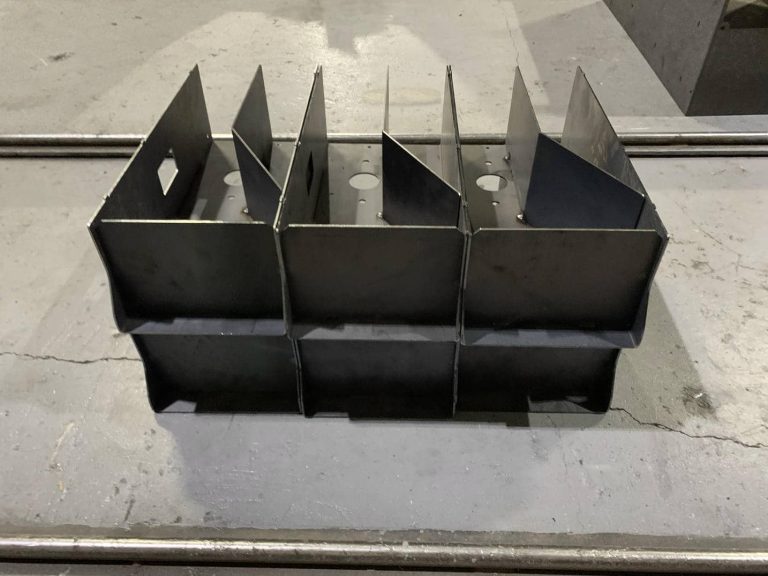
Multi-bend brackets, channels, boxes and covers with repeatable angles across a batch.
- CNC backgauge and angle control
- Carbon and stainless steel
- Prototype to serial
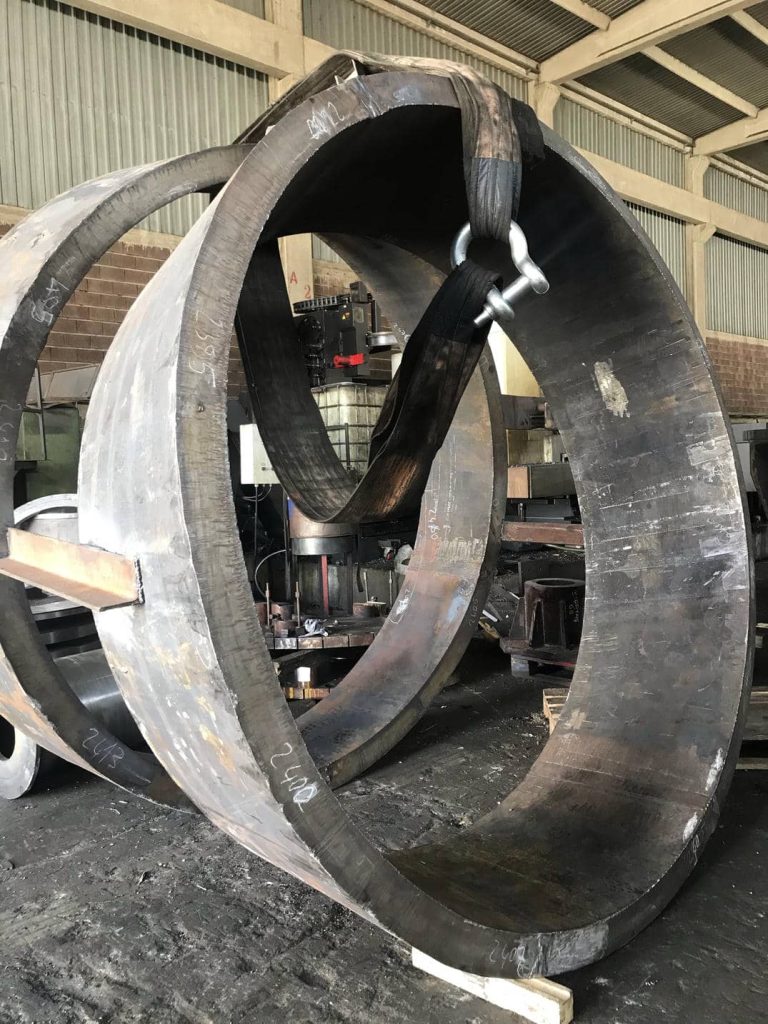
Plate and Cone Rolling
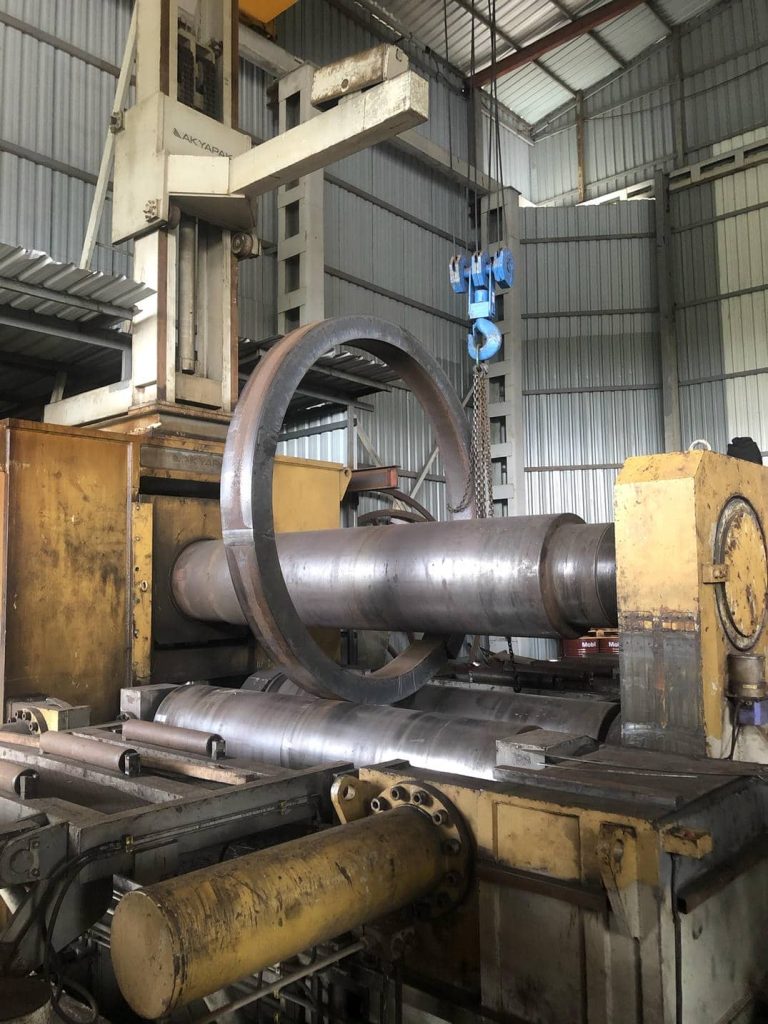
Cylinders, shells, half-shells, cones and rings with pre-bent ends for a true circle.
- Ø300–8,000 mm
- 4–120 mm thickness
- Up to 3,150 mm long
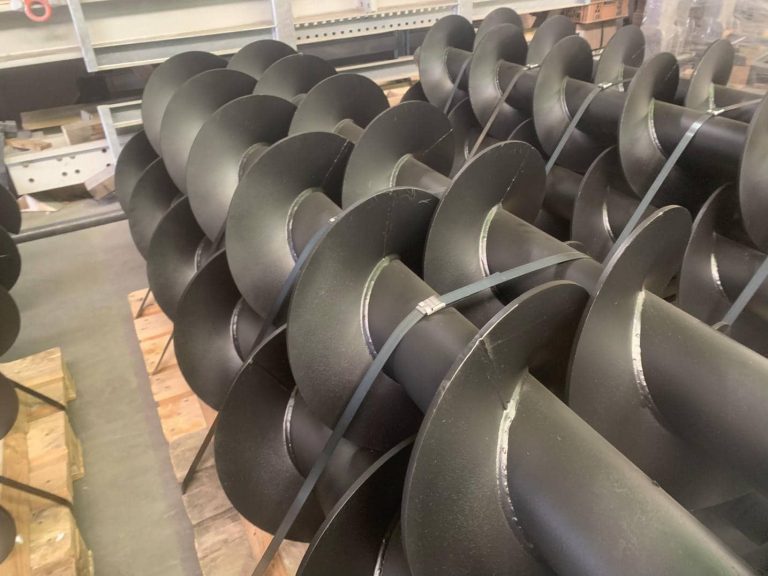
Profile and Pipe Bending
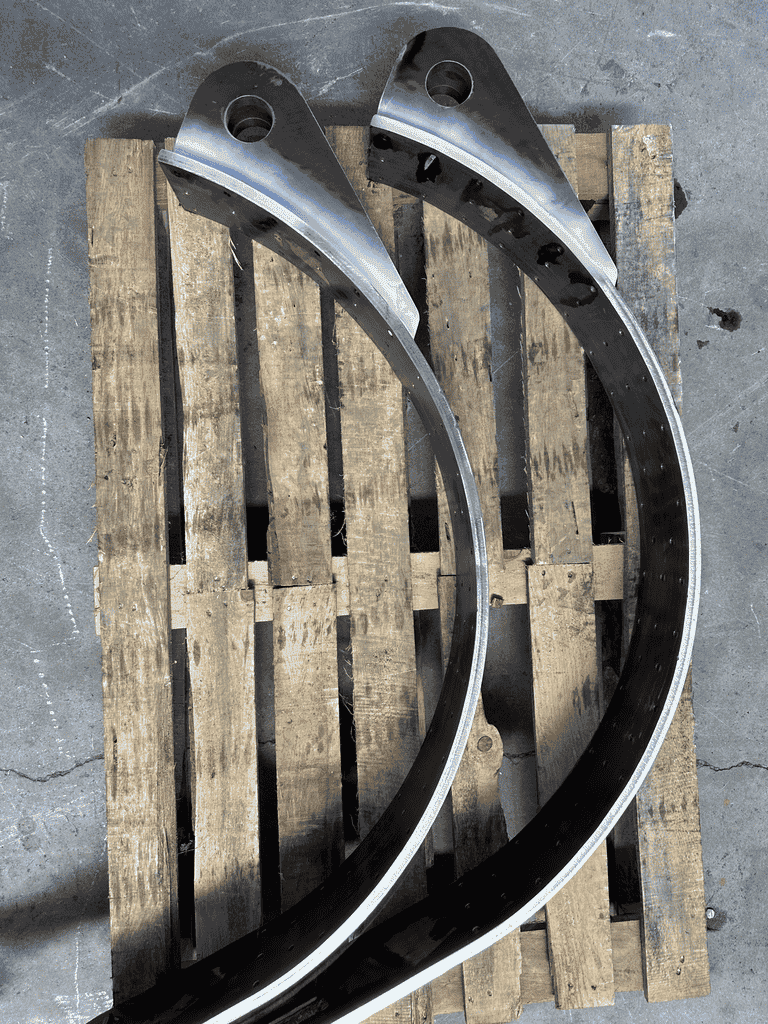
Pipes, tubes, rings, elbows and structural profiles bent to centre-line radius and angle.
- Rings and flanges
- Helical flights
- Ends prepared for welding
Materials and Thickness Limits
Maximum rolling thickness falls as yield strength rises. Feasibility is confirmed from your drawing.
| Material | Typical grades | Notes |
|---|---|---|
| Structural steel | S235, S275, S355 | Up to the full 120 mm range, depending on diameter |
| Fine-grain steel | S460 to S1100 | Reduced thickness, more springback |
| Wear-resistant plate | Hardox 400 / 500 | Wear liners, hoppers and chutes |
| Stainless steel | 1.4301, 1.4404, 1.4571 | Vessels, drums and food-industry parts |
| Aluminium | 5000 and 6000 series | Sheet and plate, press brake |
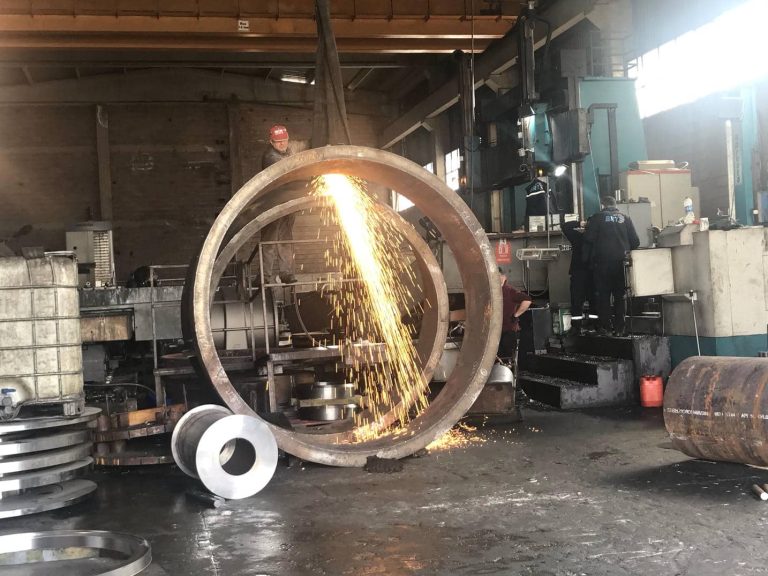
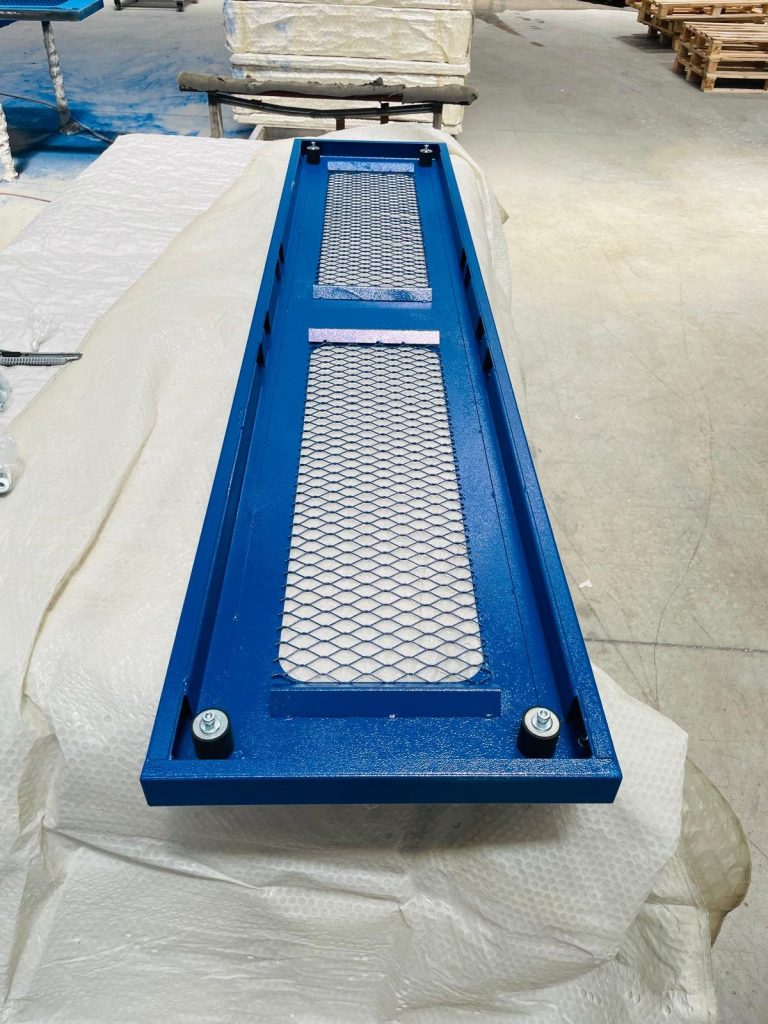
Bending and Rolling in Practice
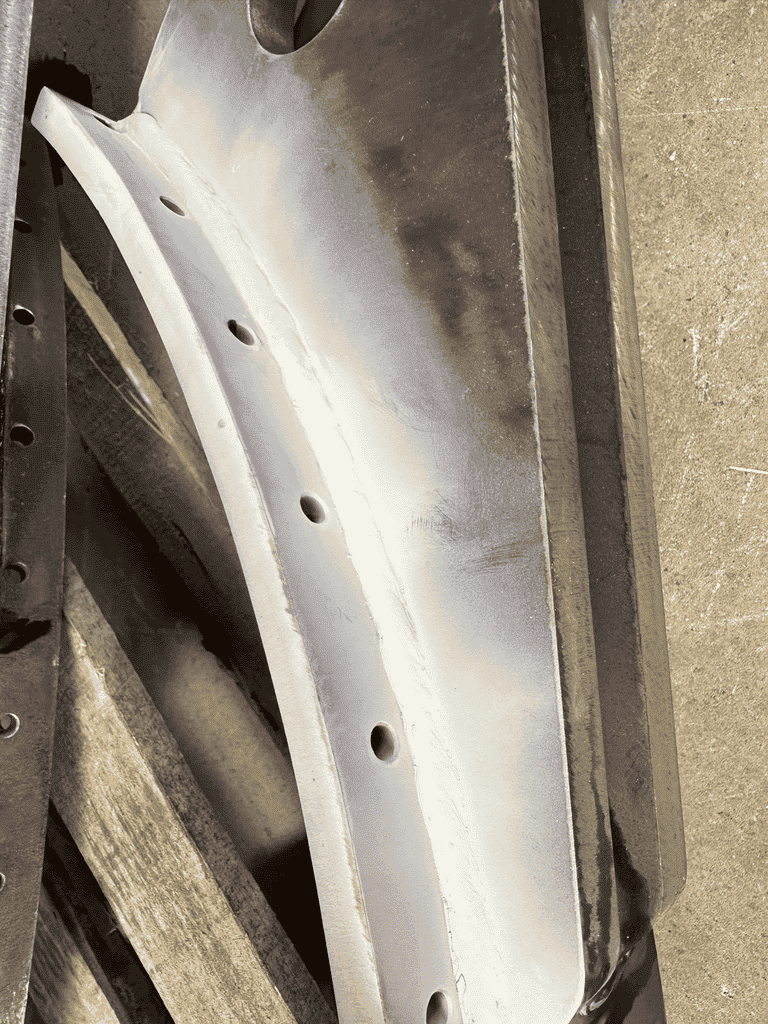
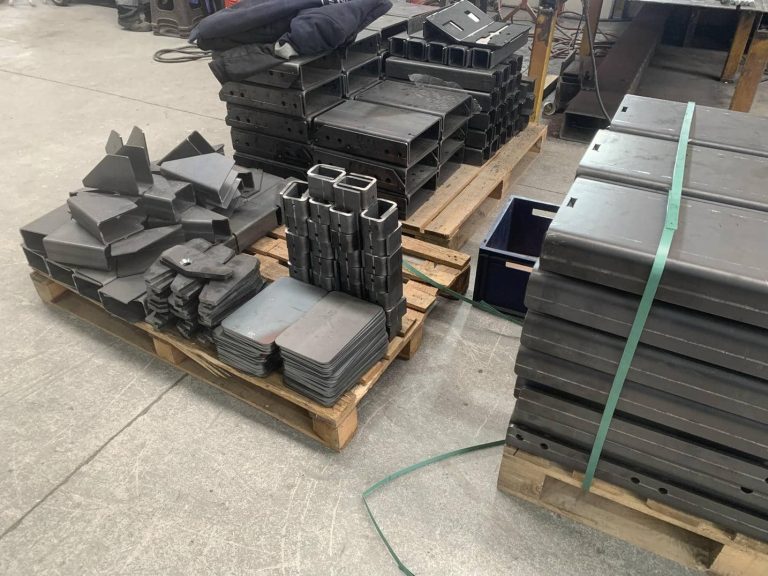
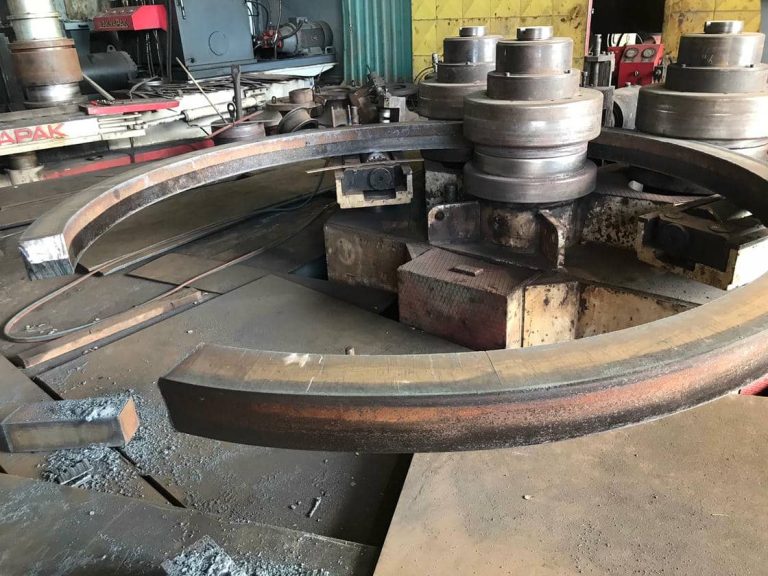
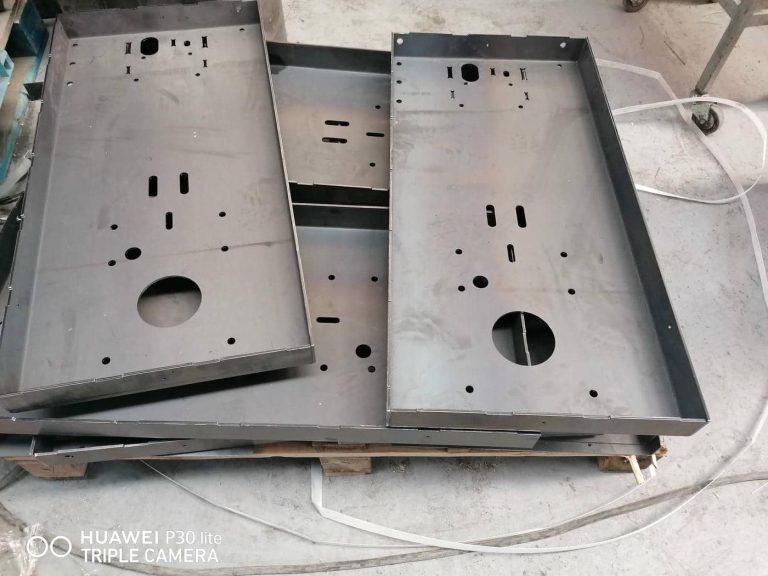
Questions About Bending and Rolling
What plate thickness can you roll?
From 4 to 120 mm, depending on material and diameter. High-strength steels and Hardox have lower limits because of springback.
What diameters can you roll?
From about Ø300 mm up to Ø8,000 mm, with rolling lengths up to 3,150 mm.
Do you roll cones?
Yes. Cones and hopper transitions are rolled with inclined rolls to your developed blank.
Can you weld and machine rolled parts?
Yes. Rolled shells and rings are seam-welded, then turned or milled to size on our vertical lathes up to Ø4,200 mm.
Can you form customer-supplied plate?
Yes, if the grade, thickness and certificate match the drawing and the machine range.
Press Brake Bending and Plate Rolling in Türkiye
A rolled shell that does not close on a true circle or a bracket with the wrong flange length causes trouble in every step that follows. We treat forming as part of the same route as cutting, welding and machining, with the same drawing review and the same quality checks.
Plate rolling: pre-bending and springback
Two details decide whether a cylinder closes to drawing. Ends are pre-bent, so no straight edge remains at the longitudinal seam, and the rolls are over-bent to compensate springback, which grows with yield strength. Diameter, roundness and seam position are checked before the part is welded.
Press brake: allowance, grain and tooling
Bend allowance and inside radius are set from material and thickness. Bending across the rolling direction allows a tighter radius; where the drawing forces a parallel bend, the radius is increased. Multi-bend parts are sequenced so later flanges do not collide with the tools.
Formed, welded, machined and finished
Rolled rings become rollers, drums and jacking pipes; formed flights become auger screws. After welding and machining, parts are painted or galvanized and packed for export. Send your drawing with material, thickness, radius and quantity.
Send a drawing for bending or rolling.
Include material, thickness, diameter or radius, quantity, and whether you need formed parts only or a finished assembly.