Corrosion Protection for Steel Parts: Galvanizing, Painting or Powder Coating?
Choose corrosion protection by environment and required life. Define the corrosivity class (C1 to C5 or CX to ISO 12944-2) and durability (low, medium, high or very high), then pick the system: a paint system to ISO 12944 for most machinery and indoor-to-moderate environments, hot-dip galvanizing to EN ISO 1461 for long outdoor life, powder coating for decorative finishes, and duplex (galvanizing plus paint) for the harshest conditions.
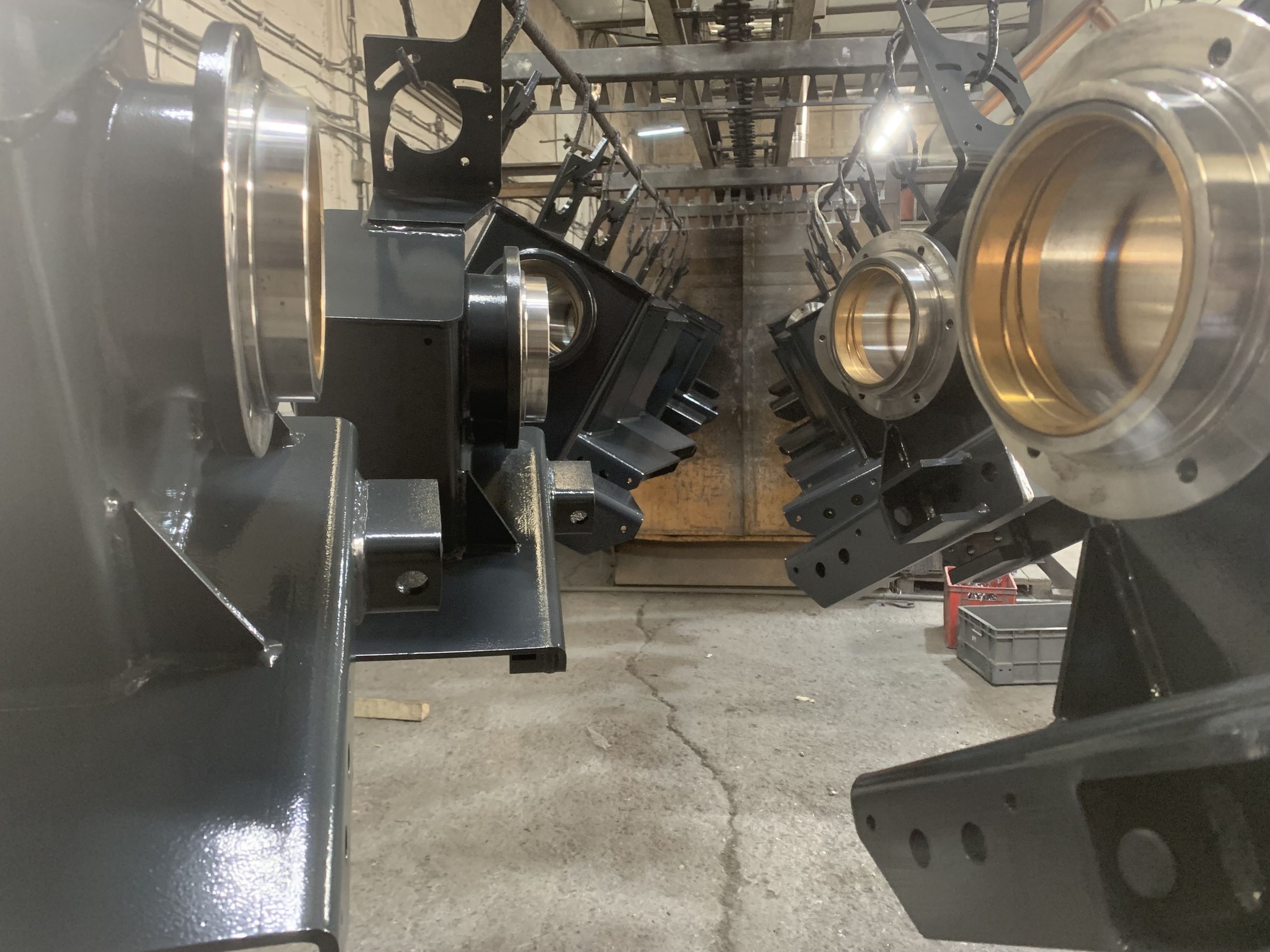
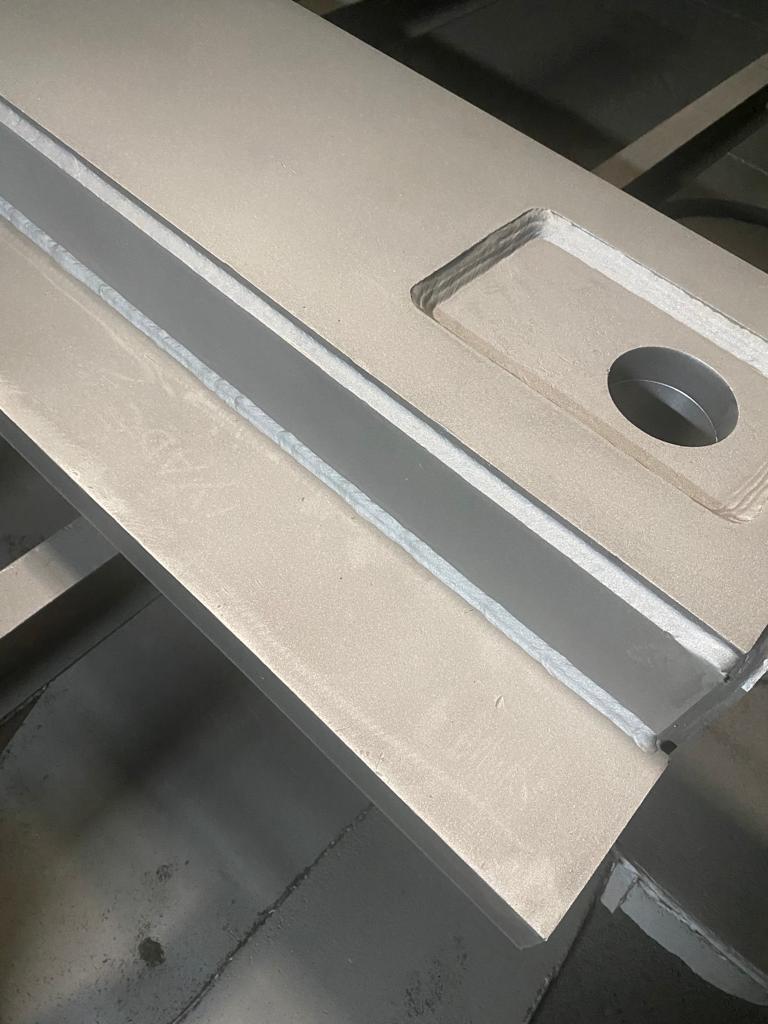
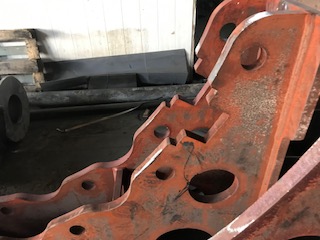
- ISO 12944Paint systems
- C1–CXCorrosivity classes
- EN ISO 1461Hot-dip galvanizing
- Sa 2½Typical blast grade
- DuplexZinc + paint
Corrosivity Classes and Durability
ISO 12944-2 classifies environments from C1 (heated indoor, very low) to C5 (very high: industrial or coastal) and CX (extreme, for example offshore). ISO 12944-1 defines durability ranges: low (up to 7 years), medium (7 to 15 years), high (15 to 25 years) and very high (more than 25 years) until the first major maintenance.
Stating the class and durability on the drawing, for example “ISO 12944 C4-H”, lets every supplier quote the same protection, instead of guessing what “painted” means.
Corrosivity Classes at a Glance
| Class | Corrosivity | Typical environment |
|---|---|---|
| C1 | Very low | Heated indoor rooms, offices |
| C2 | Low | Unheated buildings, rural areas |
| C3 | Medium | Urban and light industrial atmospheres, production halls with humidity |
| C4 | High | Industrial areas, coastal areas with moderate salinity, chemical plants |
| C5 | Very high | Industrial areas with high humidity, coastal areas with high salinity |
| CX | Extreme | Offshore, extreme industrial environments |
Galvanizing, Paint, Powder Coating and Duplex Compared
| System | Best for | Watch out for |
|---|---|---|
| Paint system to ISO 12944 | Machinery and frames, C2–C4, any RAL colour | Needs good blasting (typically Sa 2½) and correct dry film thickness |
| Hot-dip galvanizing (EN ISO 1461) | Outdoor steel structures, long life with low maintenance | Vent and drain holes needed; distortion risk on thin or asymmetric parts; bath size limits part size |
| Powder coating | Smaller parts, decorative finish, indoor or mild outdoor use | Part size limited by the oven; for outdoor use often combined with a zinc primer |
| Duplex (galvanizing + paint) | C4–C5 and very long life, or galvanized parts that need a colour | Higher cost; surface preparation of the zinc is critical |
Minimum Zinc Coating Thickness for Hot-Dip Galvanizing
| Steel thickness | Minimum mean coating thickness |
|---|---|
| over 6 mm | 85 µm |
| over 3 mm to 6 mm | 70 µm |
| 1.5 mm to 3 mm | 55 µm |
| under 1.5 mm | 45 µm |
Values for steel parts not centrifuged, as orientation. Check the standard for local and centrifuged values.
How to Specify Corrosion Protection
Name the standard and class
For example “Paint system ISO 12944-5, C3-H, RAL 7035” or “Hot-dip galvanized to EN ISO 1461”.
Define surface preparation
Blast grade to ISO 8501-1 (for example Sa 2½) and edge preparation for high classes.
Give total dry film thickness
Or reference a system from ISO 12944-5 that defines it.
Mark masked faces
Machined fits, threads and bearing seats must be masked or machined after coating.
Design for the process
Vent and drain holes for galvanizing, no sealed cavities, rounded edges for paint.
Surface Treatment at Nika Steelworks
We do sandblasting, painting, powder coating and hot-dip galvanizing for the parts we fabricate and machine, so you receive finished, protected parts from one supplier. Coating thickness is measured and documented, and machined faces are protected before coating.
Read our RFQ checklist for what to include with your request, or see our manufacturing services.
Frequently Asked Questions
Which is better: galvanizing or painting?
Galvanizing gives longer, low-maintenance protection outdoors; painting offers any colour and suits machinery and moderate environments. Duplex combines both for the harshest conditions.
What does C4-H mean?
Corrosivity class C4 (high) to ISO 12944-2 with high durability (15 to 25 years) to ISO 12944-1.
Can machined parts be hot-dip galvanized?
Yes, but threads and fits are affected by the zinc layer. They are masked, re-cut or machined after galvanizing.
Is powder coating suitable outdoors?
Yes for mild outdoor environments, often with a zinc-rich primer or on a galvanized base for higher classes.
What blast grade is needed before painting?
Usually Sa 2½ to ISO 8501-1 for steel parts in C3 and above.
Need parts delivered coated?
Tell us the corrosivity class or the system you use. We quote fabrication, machining and coating together.