How to Qualify a Steel Fabrication Supplier: An Audit Checklist
To qualify a steel fabrication supplier, check five things in this order: valid certificates (ISO 9001, EN 1090 with execution class, ISO 3834), welding documentation (WPS, WPQR, welder qualifications), material traceability (EN 10204 3.1), inspection capability, and real machine capacity for your largest part. This checklist shows what to ask for and what a good answer looks like.
- EN 1090Execution class on certificate
- ISO 3834Welding quality level
- EN ISO 9606Welder qualifications
- EN 102043.1 certificates
- First articleBefore the series
What a Qualified Fabrication Supplier Can Show You
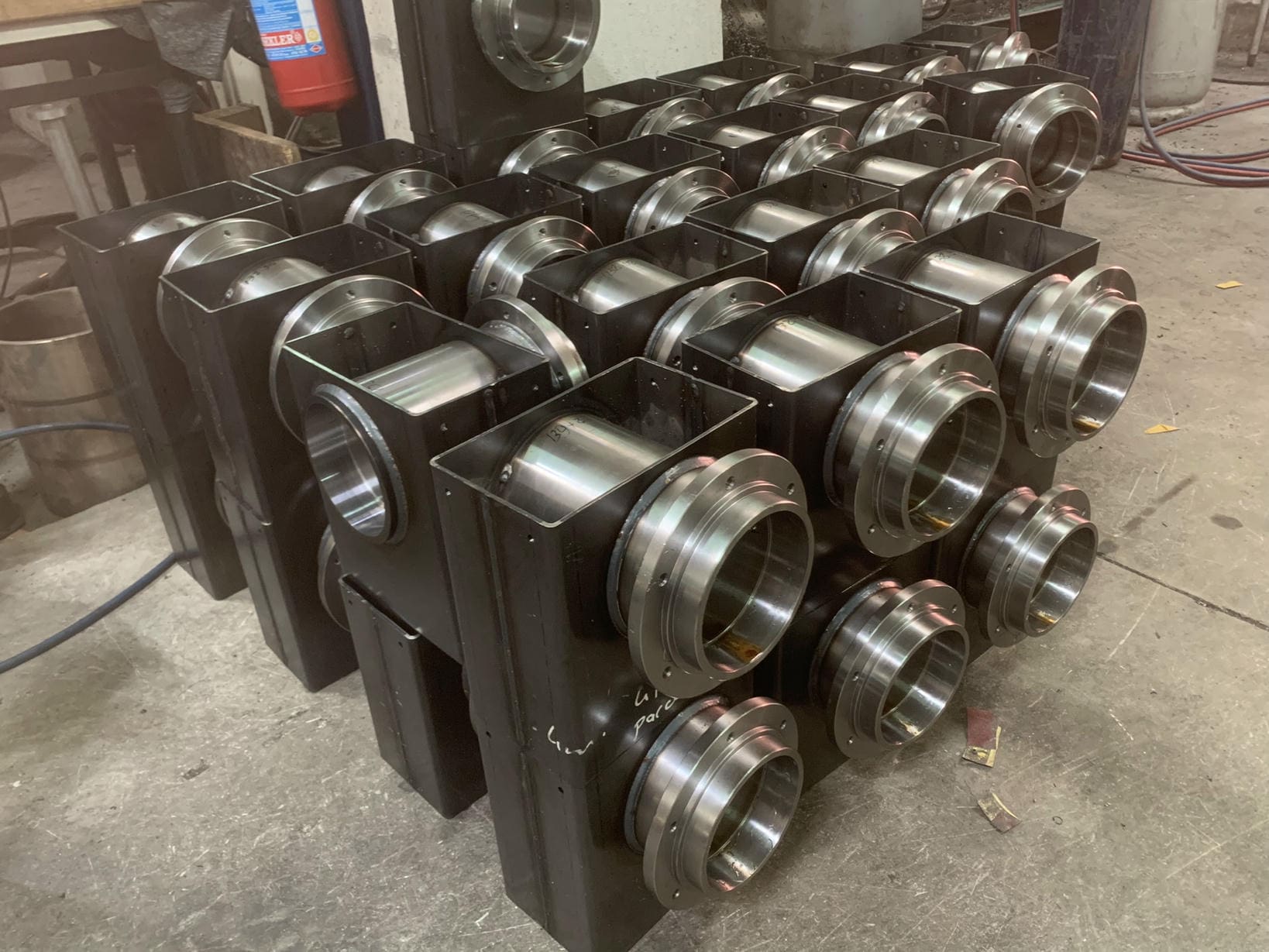
A qualified welding and fabrication supplier can show documents, not only photos. For structural or safety-relevant steelwork in Europe, that means an EN 1090-1 factory production control certificate with the execution class (EXC1 to EXC4), an ISO 3834 certificate for welding quality, a responsible welding coordinator, and qualified welders and procedures. For machined parts it means a machine list that matches your part size and a way to measure what they machine.
Good suppliers send these documents before you ask. If a supplier hesitates, sends expired certificates or cannot name the body that issued them, treat that as the first finding of your audit.
The Supplier Audit Checklist, Step by Step
Certificates and scope
Ask for ISO 9001, EN 1090-1 (FPC) with the execution class, and ISO 3834 with the part (3834-2 is the comprehensive level). Check the issuing body, the expiry date and that the scope covers your type of work.
Welding coordination
EN 1090 and ISO 3834 require a responsible welding coordinator (EN ISO 14731). Ask who it is and how they review drawings and welding plans.
Procedures and welders
Ask for the welding procedure specifications (WPS) and the qualification records behind them (WPQR, EN ISO 15614-1), plus a list of welder certificates to EN ISO 9606-1 with valid dates and processes.
Material traceability
Every order should come with EN 10204 3.1 certificates, and the supplier should be able to trace each plate or bar to its heat number. Ask how they mark material after cutting.
Inspection and measurement
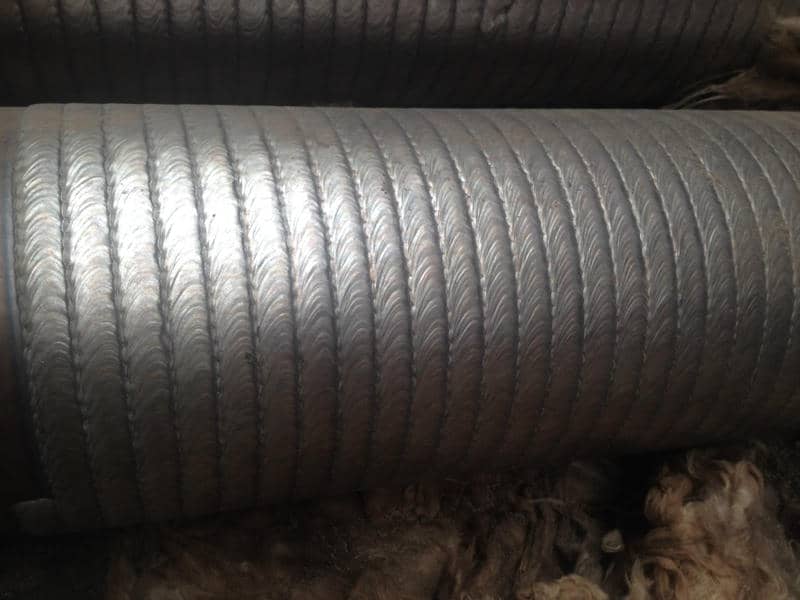
Ask how they measure: dimensional reports, CMM for machined features, visual weld inspection (ISO 5817 quality levels) and NDT such as MT, PT or UT by qualified personnel (EN ISO 9712).
Machine capacity
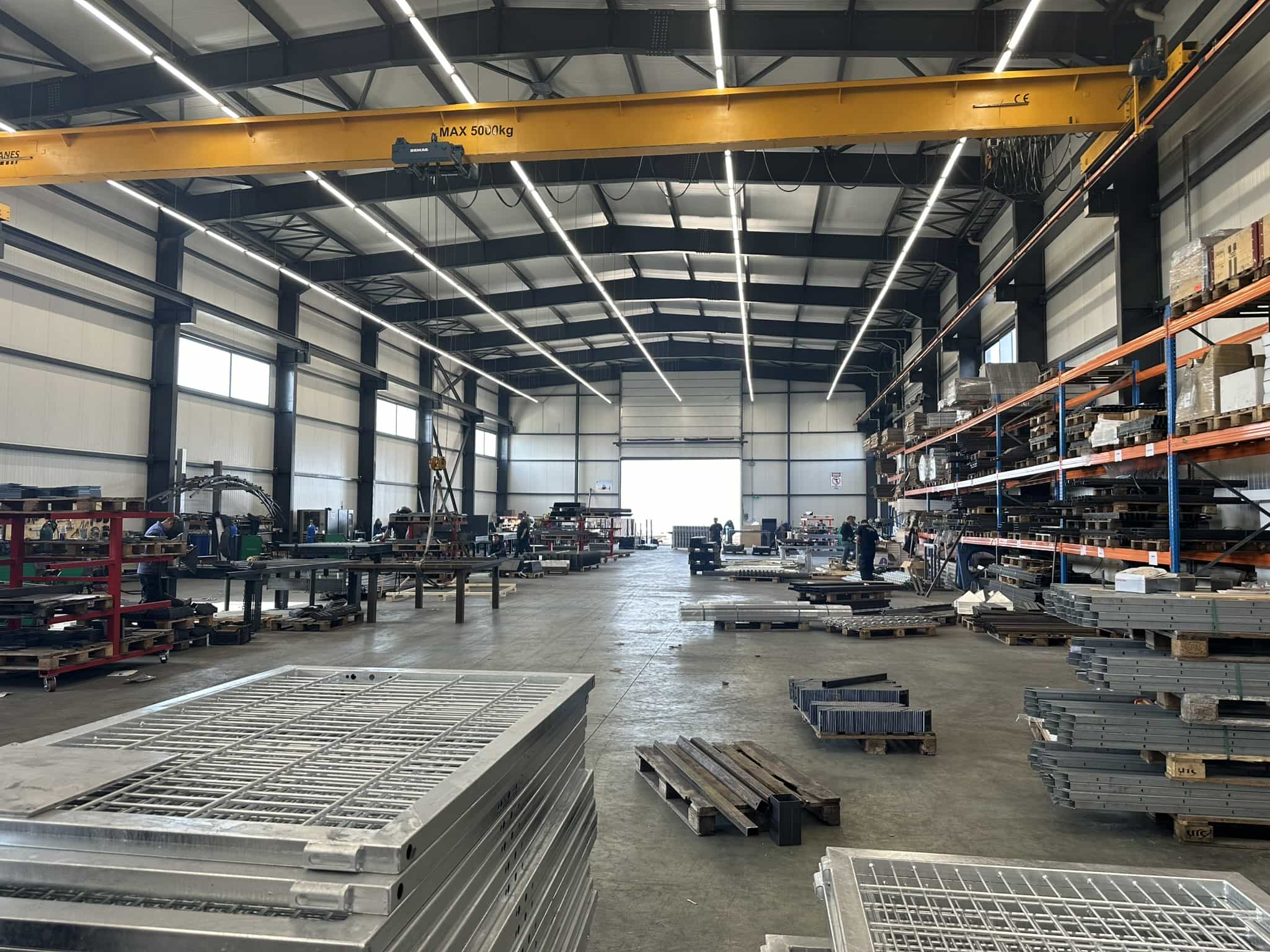
Compare their machine list with your largest and heaviest part: cutting thickness, bending length, crane capacity, machining travel and turning diameter. Capacity on paper should match what you see.
Surface treatment
Blasting, painting, powder coating and galvanizing: ask which coating systems they apply, how dry film thickness is measured and how masked faces are protected.
Communication and planning
Who answers technical questions, in which language and how fast? How are drawing changes, delivery dates and non-conformities handled?
Which Documents to Request, and What Good Looks Like
| Document | Standard | What to check |
|---|---|---|
| Quality management certificate | ISO 9001 | Valid date, issuing body, scope matches fabrication and machining |
| Factory production control | EN 1090-1 | Execution class (EXC2 is the most common, EXC3 for higher demands), notified body number |
| Welding quality certificate | ISO 3834-2 / -3 / -4 | Level 2 is comprehensive; check processes and material groups |
| Welding procedures | EN ISO 15614-1 (WPQR), WPS | Processes, materials and thickness ranges that match your parts |
| Welder qualifications | EN ISO 9606-1 | Enough qualified welders for your volume; valid and prolonged |
| Material certificates | EN 10204 3.1 | Supplied with every order, traceable to the parts |
| Inspection reports | ISO 5817, ISO 13920, ISO 2768 | Sample dimensional and weld inspection reports from a real order |
Warning Signs During a Supplier Audit
Certificates without scope
An EN 1090 certificate without execution class, or an ISO 3834 certificate that does not cover your processes, says little.
No answer on capacity
If the supplier cannot say whether your largest part fits their cutting, bending or machining equipment, the part is likely to be delayed.
Inspection as an afterthought
No sample reports, no measuring equipment you can see, and “we check everything” instead of a defined inspection plan.
Auditing a Supplier Abroad
You do not always have to travel first. A remote pre-audit works well: request the documents above, a video walk through production, and a first article built to one of your drawings with a full dimensional report. If that goes well, an on-site audit or third-party inspection before the first series confirms it.
At Nika Steelworks we are certified to ISO 9001:2015, EN 1090-1 factory production control, EN 1090-2 up to EXC3 and ISO 3834-2. Every order ships with EN 10204 3.1 certificates; 3.2 certificates and third-party inspection are arranged on request. You can visit our production sites in İzmir or start with a remote review. See our quality and certificates and the machine park, or read EN 1090 execution classes explained.
Frequently Asked Questions
Which certificates should a steel fabrication supplier have?
At minimum ISO 9001. For structural or welded load-bearing parts in Europe, EN 1090-1 factory production control with the required execution class and an ISO 3834 welding quality certificate, usually ISO 3834-2.
What is the difference between EN 1090 and ISO 3834?
EN 1090 covers the manufacture and CE marking of structural steel components, including execution classes. ISO 3834 defines quality requirements for fusion welding in general. Many buyers ask for both.
Can I audit a supplier remotely?
Yes. Request certificates, WPS and welder lists, a video tour and a first article with a dimensional report. Confirm with an on-site visit or third-party inspection before large series.
What should a first article inspection include?
A full dimensional report against the drawing, weld inspection results, material certificates and, if required, coating thickness measurements.
How long does supplier qualification take?
With complete documents and a first article, typically a few weeks. The first article itself usually takes as long as a normal production order.
Qualifying a new supplier?
Ask us for our certificates and a sample inspection report, or send one drawing as a first article.