Where to Source Steel Fabrication: Türkiye vs Eastern Europe vs China
For European buyers of welded and machined steel parts, Eastern Europe offers EU membership and the shortest transport, China offers scale for high volumes but long transit and more trade measures, and Türkiye sits in between: competitive labour cost, about one week by road to Central Europe, and duty-free entry for industrial goods under the EU–Türkiye Customs Union. The best choice depends on volume, part size, lead time and how much documentation you need.
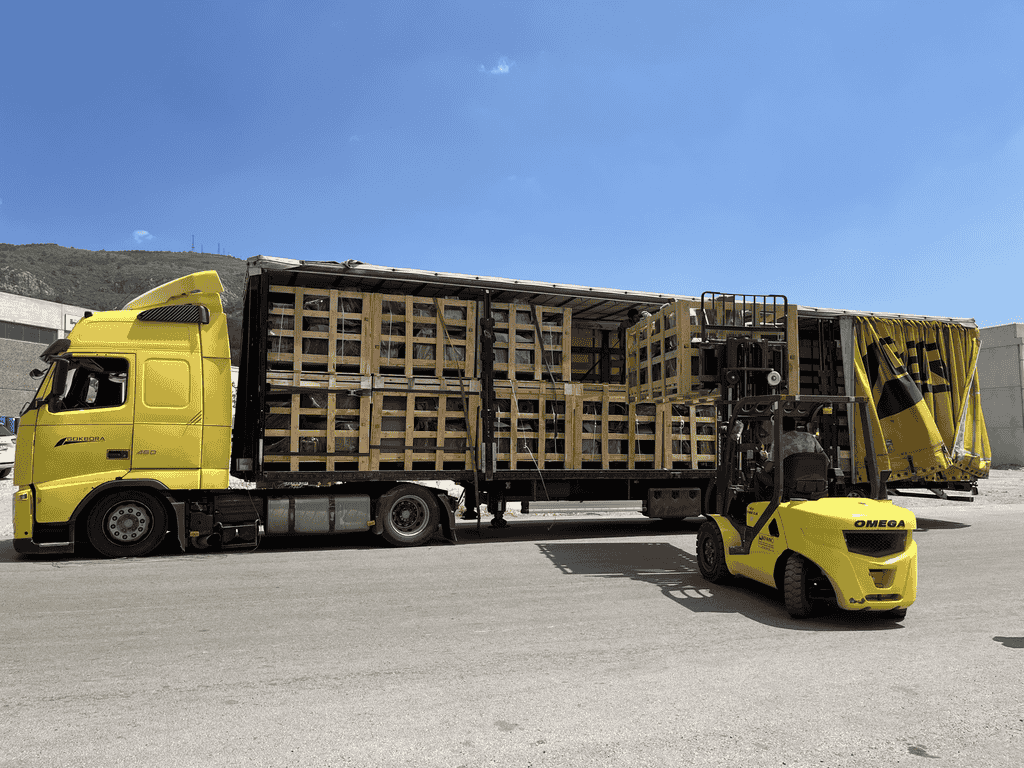
- Eastern Europe1–3 days by road
- Türkiye~1 week by road
- China4–6+ weeks by sea
- Customs UnionEU–Türkiye, A.TR
- CBAMApplies to non-EU steel
Which Region Fits Which Part
Choose Eastern Europe (Poland, Czechia, Slovakia, Hungary, Romania) when you need EU-internal supply with no customs, the shortest transport and suppliers who are already familiar with German and Scandinavian OEMs. Labour costs there have risen for years, so the price gap to Western Europe is narrower than it was.
Choose China for very high volumes of standard parts where long transit and larger batches are acceptable. Choose Türkiye when you need welded and machined parts in small to medium series, large parts that are expensive to ship by sea, or flexible call-offs, at a cost level below Central Europe and with road delivery in about a week.
Türkiye, Eastern Europe and China Compared
| Factor | Eastern Europe | Türkiye | China |
|---|---|---|---|
| Transport to Germany | Road, 1–3 days | Road, about 1 week; sea 1–3 weeks | Sea, typically 4–6+ weeks plus inland |
| Customs duty | None (EU internal market) | None for industrial goods with A.TR (Customs Union) | Depends on HS code; some steel products face anti-dumping or safeguard measures |
| CBAM | Not applicable (EU) | Applies to listed iron and steel goods | Applies to listed iron and steel goods |
| Labour cost level | Medium, rising | Lower than Central Europe | Low |
| Batch flexibility | High | High: prototypes to series, call-offs | Best for large batches |
| Standards | EN 1090, ISO 3834 | EN 1090, ISO 3834 | Varies; check European certification |
| Time zone and travel | Same as Central Europe | 1–2 hours ahead, short flights | 6–7 hours ahead, long-haul |
Simplified overview. Confirm HS codes, duties and CBAM obligations with your customs broker.
How to Decide Where to Source a Part
Calculate landed cost, not unit price
Add freight, duty, CBAM, packaging, inventory in transit and the cost of a quality problem found after a long sea voyage.
Check part size and weight
Large and heavy weldments are expensive to ship by sea and to store. Road delivery within a week favours nearby suppliers.
Match volume to the supplier
Prototypes and repeat series of tens to hundreds of pieces suit flexible fabricators; very high volumes of simple parts suit large-scale production.
Ask for European certification
EN 1090 with execution class, ISO 3834 and EN 10204 3.1 certificates make parts comparable regardless of country.
Plan for change
How fast can a drawing revision reach production? Shorter supply chains react in days, not months.
When a Turkish Supplier Is the Strongest Option
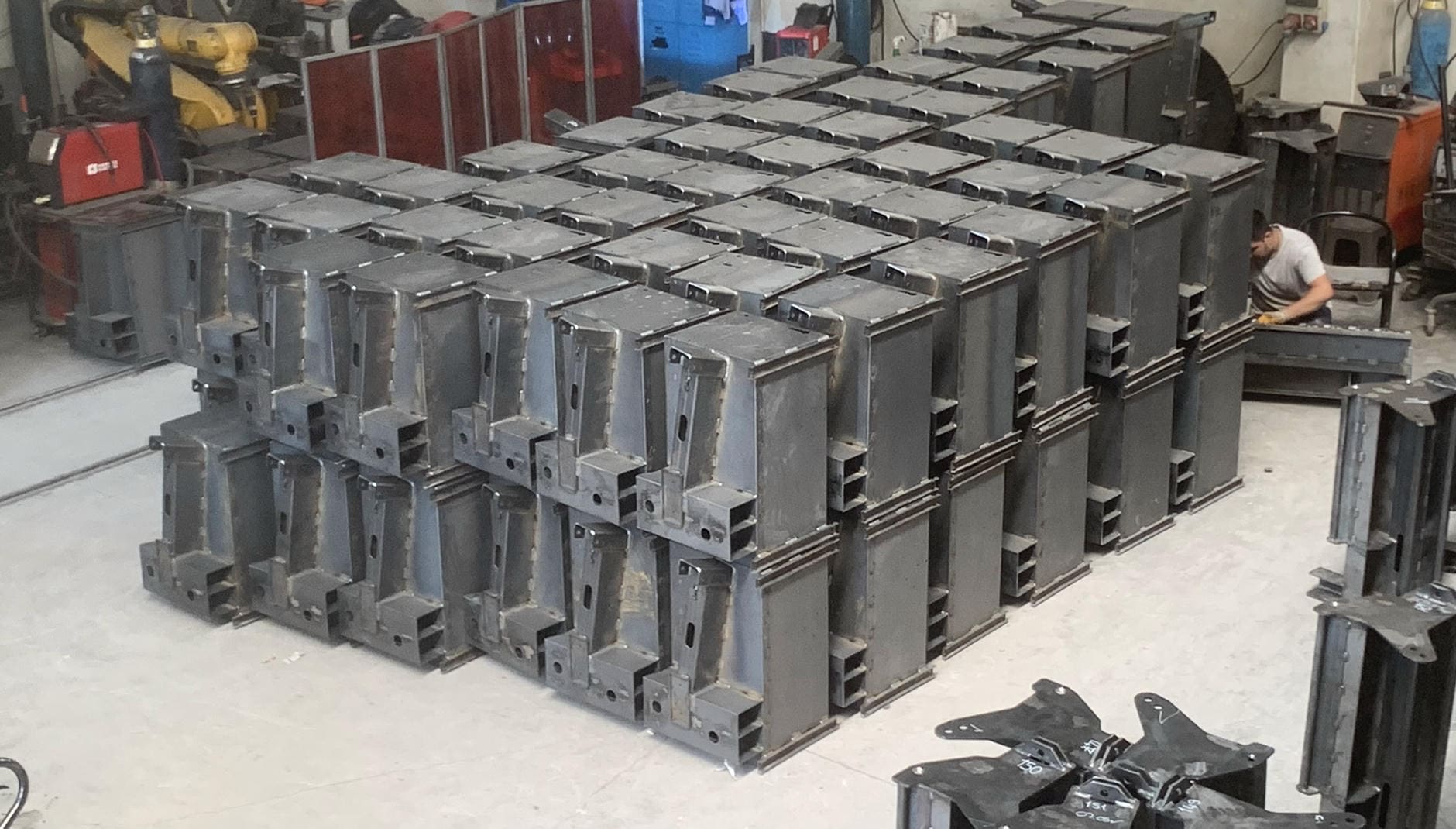
Welded and machined in one order
Fabrication, large-part machining and coating from one supplier reduce hand-offs and transport between vendors.
Medium series with call-offs
Batches shipped by truck every few weeks keep inventory low without the commitments of sea freight.
Large and heavy parts
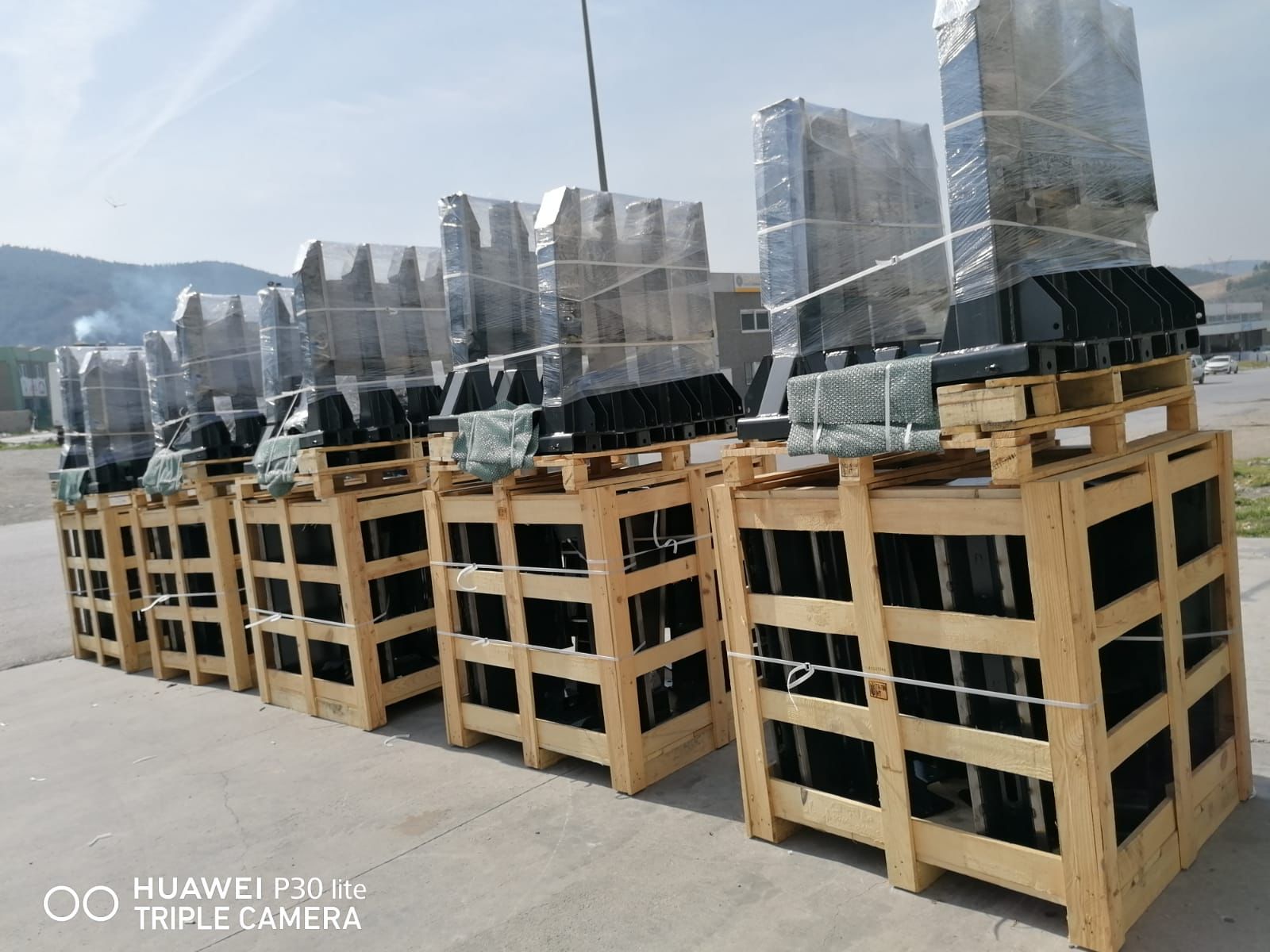
Frames, housings and rollers that would need special sea containers travel by road in about a week.
Nika Steelworks in İzmir, Türkiye
Nika Steelworks makes welded steel fabrications and CNC machined parts to customer drawings for European OEMs. We are certified to ISO 9001, EN 1090 EXC3 and ISO 3834-2, ship with EN 10204 3.1 certificates and deliver EXW İzmir or DAP to your plant.
For customs, A.TR and CBAM details, read sourcing welded steel parts from Türkiye. To compare suppliers on quality, use our supplier audit checklist.
Frequently Asked Questions
Is steel fabrication cheaper in Türkiye than in Poland?
Often, for labour-intensive welded parts, because labour and overhead costs are lower. Transport is longer, so compare the landed cost for your specific part.
Do I pay customs duty on fabricated parts from Türkiye?
Usually not: industrial goods in free circulation in Türkiye enter the EU duty-free with an A.TR certificate under the Customs Union. Confirm your HS code.
Does CBAM apply to parts from Türkiye and China?
Yes, for iron and steel goods listed in the CBAM regulation, regardless of origin outside the EU. Parts from EU countries are not affected.
How long does delivery from Türkiye to Germany take?
About one week by road for full or part loads; sea freight to Northern European ports takes one to three weeks.
Are Turkish suppliers certified to European standards?
Many are. Ask for EN 1090 with execution class, ISO 3834 and ISO 9001 certificates and check the issuing bodies.
Compare us with your current supplier
Send a drawing you buy today. We reply with a delivered price to your plant and a lead time.